
"unsold coffee beans"
63 article(s) found

Introduction to the flavor and taste of Rwanda boutique coffee beans with aroma and acidity
In 2000, the Mayor of Malaba requested development assistance from the National University of Rwanda (UNR), which is located near the city of Butare, and the following year, the National University of Rwanda assisted in the establishment of the Joint strengthening Rwanda Agricultural Partnership (PEARL). PEARL is also supported by several organizations: the United States Agency for International Development (USAID), Michigan State University, Texas A & M University, and

Introduction to Fine Coffee from Rwanda Malaba Coffee
In 2000, the Mayor of Malaba requested development assistance from the National University of Rwanda (UNR), which is located near the city of Butare, and the following year, the National University of Rwanda assisted in the establishment of the Joint strengthening Rwanda Agricultural Partnership (PEARL). PEARL is also supported by several organizations: the United States Agency for International Development (USAID), Michigan State University, Texas A & M University, and

Introduction to the taste of varieties treated by the characteristics of grinding degree for flavor description of Rwandan coffee beans
Rwanda has been growing coffee since colonial times. Although the crops are mainly coffee, the quality of coffee produced in Rwanda is not outstanding, and its status in the coffee world is low, and few people pay attention to it. Most of the coffee varieties grown in Rwanda are bourbon. Rwanda, known as the country of Thousand Hills, has a high-altitude mountain environment, fertile volcanic soil and abundant precipitation.

Introduction to the flavor and taste of Rwandan coffee beans the characteristics of Rwandan coffee beans
In 2000, the Mayor of Malaba requested development assistance from the National University of Rwanda (UNR), which is located near the city of Butare, and the following year, the National University of Rwanda assisted in the establishment of the Joint strengthening Rwanda Agricultural Partnership (PEARL). PEARL is also supported by several organizations: the United States Agency for International Development (USAID), Michigan State University, Texas A & M University, and

Self-help American? Is coffee refined management feasible?!
▲ Click to follow | Daily boutique Coffee Culture Magazine Coffee Workshop Coffee plays a refreshing "life water" role for many workers. Coffee consumers are mainly contemporary workers, and a cup of iced American coffee in the morning may have become a necessary daily rigid demand. Today, there are two types of coffee shops in China.
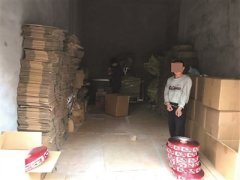
The Nestle you drank may be a fake! The police seized the fake coffee powder and dropped it to the ground to continue filling.
Professional coffee knowledge exchange more coffee bean information please follow the coffee workshop (Wechat official account cafe_style) reveal the secret of counterfeit Nestl é coffee den disgusting coffee powder sprinkled on the floor to continue filling recently, Nanjing Black Tortoise police smashed a fake Nestle coffee den. This den is hiding in a restaurant with very poor sanitary conditions. In the process of filling coffee, it is sprinkled on the ground
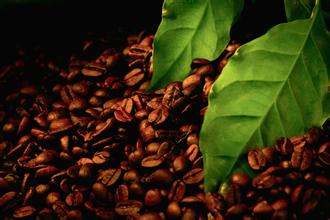
History of coffee in Rwanda
In 1999, 220 coffee growers formed guilds in the Malaba area (formerly part of Butare province) to address the disease. Among the guild members, many farmers were separated from their loved ones by the 1994 mass massacre, while some husbands were jailed or were taken to the traditional Gacaca Court (gacaca) to face trial on charges of participating in the massacre. They named the guild Abauza.

History of coffee in Rwanda
The Rwandans of origin have been growing coffee since colonial times, but until 1999, its products were still classified as below Class C and were not popular in the global market. The reason for the poor quality is that farmers do not have a fixed procedure for washing coffee beans and do not process coffee fruits according to specifications in time. Buyers buy coffee beans at $0.33 per kilogram, and farmers rely on the meagre profits earned at low prices.

Introduction to the characteristics of boutique coffee in the manor area
Before January 1, 2006, the country was divided into 12
Characteristics of coffee beans in Rwanda planting methods of coffee beans in Rwanda
Rwandans have been growing coffee since colonial times, but until 1999, its products were still classified as below Class C and were not popular in the global market. The reason for the poor quality is that farmers do not have a fixed procedure for washing coffee beans and do not process coffee fruits according to specifications in time. Buyers buy coffee beans at $0.33 per kilogram, and farmers keep warm by the meagre profits earned at low prices.

Boutique coffee Rwanda coffee origin Rwanda coffee practice
Rwandans have been growing coffee since colonial times, but until 1999, its products were still classified as below Class C and were not popular in the global market. The reason for the poor quality is that farmers do not have a fixed procedure for washing coffee beans and do not process coffee fruits according to specifications in time. Buyers buy coffee beans at $0.33 per kilogram, and farmers keep warm by the meagre profits earned at low prices.
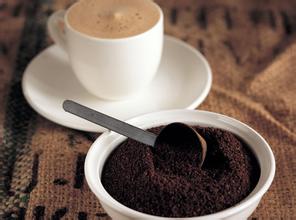
Fine coffee Rwanda Coffee characteristics introduction to Rwanda Coffee
Rwandans have been growing coffee since colonial times, but until 1999, its products were still classified as below Class C and were not popular in the global market. The reason for the poor quality is that farmers do not have a fixed procedure for washing coffee beans and do not process coffee fruits according to specifications in time. Buyers buy coffee beans at $0.33 per kilogram, and farmers keep warm by the meagre profits earned at low prices.

Fine coffee Rwanda coffee manor Rwanda coffee producing area
Rwandans have been growing coffee since colonial times, but until 1999, its products were still classified as below Class C and were not popular in the global market. The reason for the poor quality is that farmers do not have a fixed procedure for washing coffee beans and do not process coffee fruits according to specifications in time. Buyers buy coffee beans at $0.33 per kilogram, and farmers keep warm by the meagre profits earned at low prices.
Boutique coffee Rwanda coffee flavor red apple, cherry, cinnamon, honey
Rwandans have been growing coffee since colonial times, but until 1999, its products were still classified as below Class C and were not popular in the global market. The reason for the poor quality is that farmers do not have a fixed procedure for washing coffee beans and do not process coffee fruits according to specifications in time. Buyers buy coffee beans at $0.33 per kilogram, and farmers keep warm by the meagre profits earned at low prices.
Fine coffee Rwanda coffee treatment method washing, elevated scaffolding sun drying
Rwandans have been growing coffee since colonial times, but until 1999, its products were still classified as below Class C and were not popular in the global market. The reason for the poor quality is that farmers do not have a fixed procedure for washing coffee beans and do not process coffee fruits according to specifications in time. Buyers buy coffee beans at $0.33 per kilogram, and farmers keep warm by the meagre profits earned at low prices.

Boutique coffee Rwanda coffee producing area in the western province of Lutexilo
Rwandans have been growing coffee since colonial times, but until 1999, its products were still classified as below Class C and were not popular in the global market. The reason for the poor quality is that farmers do not have a fixed procedure for washing coffee beans and do not process coffee fruits according to specifications in time. Buyers buy coffee beans at $0.33 per kilogram, and farmers keep warm by the meagre profits earned at low prices.

Soft, fragrant Rwanda Coffee Flavor Manor Flavor characteristics of Fine Coffee beans
The first problem for Malaba coffee farmers is to set up a cleaning station. The coffee fruit must be transported to the cleaning station to wash the sugar under the skin of the coffee bean within 12 hours after picking, otherwise the flavor of the coffee will be greatly damaged. In July 2001, with UNR, the Ministry of Culture and Industry of Rwanda (Office des Cultures Industrielles du Rwanda,OCIR-Caf), ACD

Introduction to the description of baking degree in the flavor producing area of Rwanda boutique coffee beans
Comic relief, a British charity, is also interested in Malaba. They pledged to use some of the 55 million pounds earned from their 2001 Red nose Day (Red Nose Day) in the UK and Africa to donate to the Genocide Widows Association (Association des Veuves du Genocide,AVEGA), one of the great universities of Rwanda in 1994.

Brief introduction of Rwanda Coffee beans how much is the coffee bean per jin
Malaba Coffee (Rwandan: Ikawa ya Maraba, French: Caf de Maraba) is Fairtrade certified coffee grown in the Malaba area of southern Rwanda. Malaba's coffee crop is a bourbon of the Arabica species and is grown in fertile volcanic soil on high-altitude hills. The fruits of coffee trees are mainly picked manually during the rainy season from March to May.
An introduction to the Historical Origin of Malaba Coffee in Rwanda
Following caf é (Wechat official account vdailycom) found that Malaba Coffee, Rwanda Malaba Coffee (Rwandan: Ikawa ya Maraba, French: Caf de Maraba) is a fair trade certified coffee grown in Malaba area of southern Rwanda. The coffee crop of Malaba is a bourbon variety of Arabica species.